


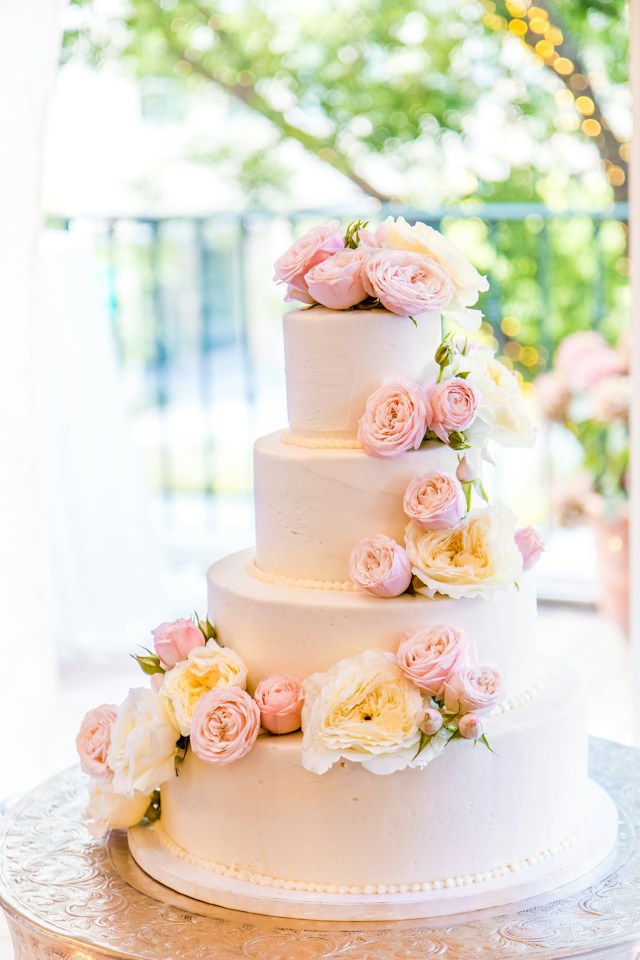
Quick answer: Order your wedding cake 2–3 months before your wedding date, but if your venue enforces strict delivery windows, confirm those windows with your baker at the time of booking. Venues with narrow delivery slots, limited loading access, or early curfews require extra coordination between your baker and venue coordinator, so start this conversation as soon as you book both the venue and the cake.
Wedding planning is full of logistical puzzles, and few are as deceptively tricky as cake delivery. Couples often assume that ordering a cake is simply a matter of picking a flavor and a design. In reality, the timing of that order depends heavily on where your reception is held. A beachfront property with a two-hour setup window operates very differently than a hotel ballroom with a loading dock available all day.
If your venue has strict delivery timings, the stakes are higher. A cake that arrives too early might sit in the heat before refrigeration is available. One that arrives too late could delay your entire reception timeline. Getting the order date right, and getting your baker and venue talking to each other early, protects you from both scenarios.
This guide walks through exactly when to order your cake, what questions to ask your venue, and how to avoid the common delivery mishaps that catch couples off guard.
Why does venue delivery timing affect your cake order date?
Your venue’s delivery timing dictates how much lead time your baker needs to plan transportation, staging, and setup. Some venues only allow vendor access during a specific one- or two-hour window before the ceremony. Others require all deliveries to happen the night before, which means your baker needs cold storage arrangements on-site. A baker who doesn’t know about these constraints until the week of the wedding may struggle to rearrange their schedule, refuse rush accommodations, or charge last-minute fees.
Ordering early gives your baker time to build delivery logistics into their production schedule. Cakes with multiple tiers, fresh flowers, or fondant work that’s sensitive to temperature changes often need a specific delivery sequence. If that sequence doesn’t align with your venue’s access rules, your baker may need to adjust the design itself, for example, choosing a sturdier buttercream over a delicate ganache that could melt during a delayed loading time.
How far in advance should you book your wedding cake?
For most weddings, book your cake 4–6 months before the date, and finalize design details 2–3 months out. Popular bakers, especially those with strong reviews or seasonal demand (think June and October weddings), can book up a year in advance. If your venue has strict delivery timings, add this to your initial booking conversation rather than waiting until the final tasting.
Here’s a general timeline to follow:
9–12 months before: Research bakers and venues simultaneously. If you already know your venue has delivery restrictions, mention this during your first consultation with any baker you’re considering.
4–6 months before: Book your baker and confirm the general scope of your order, including size, tiers, and flavor direction.
2–3 months before: Finalize your design, confirm the delivery window with both your venue coordinator and baker, and get the delivery time written into your contract.
1–2 weeks before: Reconfirm delivery logistics. Venues sometimes change loading dock availability or staffing closer to the event, so a final check avoids surprises.
Day of: Have a point of contact, usually your planner or a trusted family member, available to receive the cake and confirm it’s stored properly until the reception begins.
What questions should you ask your venue about cake delivery?
Before locking in your cake order, get clear answers to the following from your venue coordinator:
- What is the exact delivery window for vendors, and is there flexibility if a baker runs a few minutes late?
- Is there a loading dock, service elevator, or dedicated vendor entrance?
- Will refrigeration or air conditioning be available if the cake arrives hours before the reception starts?
- Are there restrictions on vendor access during other events happening earlier in the day at the same venue?
- Who is the on-site contact for receiving deliveries, and how should your baker reach them?
Choose a baker who asks these same questions proactively if your venue hasn’t already clarified them. A baker experienced with strict-access venues will typically request this information before finalizing a contract, which is a good sign they understand how to plan around logistical constraints.
What happens if your venue only allows a narrow delivery window?
Some venues, particularly historic properties, rooftop spaces, or shared event spaces, only allow a 30- to 60-minute delivery window before the event starts. In these cases, choose a baker if their production and delivery process can realistically fit within that window, factoring in traffic, parking, and setup time.
Ask your baker how they plan to transport and assemble the cake. Many wedding cakes are transported in tiers and assembled on-site to prevent damage during the drive. If assembly takes 20 minutes and your delivery window is only 30 minutes, there’s little room for error. Build in a buffer by requesting your baker arrive at the earliest possible point in that window rather than the latest.
If your venue’s delivery window genuinely doesn’t allow enough time for safe setup, consider:
- Asking the venue for a short extension, especially if your baker has a strong track record and can provide proof of insurance.
- Choosing a simpler cake design that requires less on-site assembly.
- Hiring a baker located closer to the venue to reduce transit time and the risk of delays.
Should you choose a local baker if your venue has strict delivery rules?
Choose a local baker if your venue enforces a narrow delivery window, limited parking, or same-day-only access. Proximity reduces the number of variables that can derail a delivery, such as traffic delays, temperature changes during a long drive, or vehicle issues. A baker who regularly delivers to your specific venue, or one nearby with similar layout challenges, will already understand the loading process and any quirks specific to that location.
If your dream baker is located further away, ask directly about their experience with long-distance delivery and strict timing. Some bakers specialize in destination weddings and have refined systems for transporting cakes safely over longer distances. In that case, distance alone shouldn’t be a dealbreaker, but it does mean you’ll want extra reassurance about their process.
How can you protect your cake order from last-minute venue changes?
Wedding venues sometimes shift timelines close to the event, whether due to another booking running late or a change in staffing. Protect your cake order by:
- Getting the agreed delivery window in writing from both your venue and your baker.
- Designating a single point of contact, ideally your wedding planner or coordinator, who can troubleshoot in real time if the delivery window shifts.
- Asking your baker what their contingency plan looks like if they’re denied access at the expected time. A professional baker should have a plan B, whether it’s holding the cake in a cooled vehicle nearby or having a backup contact at the venue.
- Confirming cancellation and rescheduling policies in your contract in case your venue delivery window changes significantly after you’ve already paid a deposit.
Moving Forward with Confidence
Ordering a wedding cake with bloomsburybakers.com isn’t just about choosing a flavor and a design. It’s about making sure the cake you fall in love with actually arrives intact, on time, and ready to be the centerpiece of your reception. When your venue has strict delivery timings, the solution isn’t to panic or compromise on your vision. It’s to start the conversation early, ask direct questions, and choose a baker who treats delivery logistics as seriously as the cake itself.
Book your venue and baker in parallel if possible, get delivery details in writing, and reconfirm everything in the final weeks before your wedding. With the right planning, a strict delivery window becomes a manageable detail rather than a source of wedding-day stress.
Frequently Asked Questions
How much does it cost if a baker has to work around a strict delivery window?
Some bakers charge a logistics or rush fee if your venue requires early morning delivery, overnight refrigeration, or a return trip for setup. Ask about these fees upfront so they don’t catch you off guard on your final invoice.
What if my venue doesn’t allow vendor access until the morning of the wedding?
This is common for venues hosting events the night before. In this case, your baker will need to bake and decorate the cake earlier and transport it fully finished, which may limit design options involving fresh flowers or delicate piping that needs to be done on-site.
Can I still have a multi-tier cake if my venue has a short delivery window?
Yes, but discuss assembly time with your baker. Many bakers pre-assemble tiers as much as possible off-site and only need a few minutes for final touches, like adding a cake topper or fresh florals, once they arrive.
What should I do if my venue changes the delivery window after I’ve already booked my cake?
Contact your baker immediately. Most professional bakers can adjust their schedule with enough notice, but last-minute changes closer to the wedding date may require compromise, such as earlier delivery with refrigerated storage instead of delivery right before the reception.
Who should be responsible for coordinating cake delivery on the wedding day?
Avoid assigning this to the couple. A wedding planner, day-of coordinator, or a reliable family member should handle delivery coordination so you can focus on getting ready rather than tracking vendor arrivals.


