


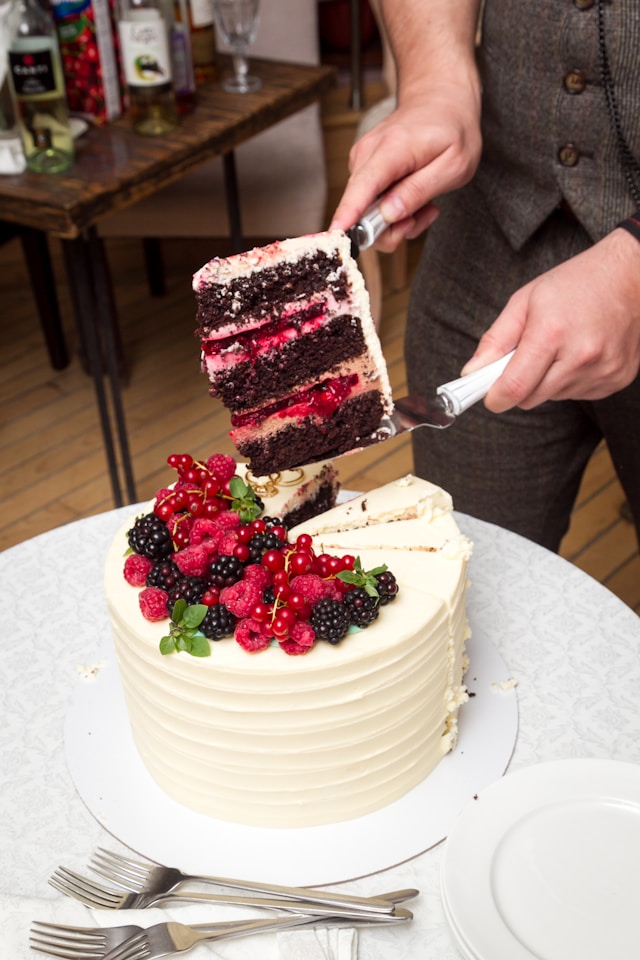
Quick answer: The current elegant wedding cake trend emphasizes intricate Lambeth piping, minimalist architectural structures, and delicate botanical elements. Couples are moving away from rustic naked cakes, favoring highly detailed, vintage-inspired designs or ultra-modern silhouettes that serve as a sophisticated visual centerpiece for their wedding reception.
For years, rustic weddings dominated the wedding industry. Dessert tables were filled with understated, unfrosted naked cakes and casual dessert bars. Recently, a distinct shift has occurred in how couples approach their wedding desserts. Modern couples are returning to formality, bringing high-end elegance back to the wedding reception. The wedding cake is no longer just a sweet treat to cut after dinner. It serves as a major focal point of the evening’s decor, demanding attention and reflecting the couple’s unique aesthetic.
Bakers and cake designers at Bloomsbury Bakers are seeing a massive surge in requests for highly structured, meticulously decorated confections. This movement embraces the artistry of sugar work, utilizing techniques that require hours of skilled craftsmanship. As couples prioritize the visual impact of their reception spaces, the wedding cake has transformed into an edible sculpture.
Understanding these design movements can help you communicate effectively with your chosen cake designer. Whether you prefer the romance of vintage piping or the sleek look of modern minimalism, knowing the terminology and options available will ensure your dessert perfectly matches your wedding vision.
What are the top elegant wedding cake design trends this year?
Couples are currently gravitating toward three distinct but equally elegant design styles. Each offers a different take on sophistication, allowing partners to match their cake to the specific vibe of their venue and floral arrangements.
How is vintage Lambeth piping making a comeback?
The Lambeth method is a traditional English style of cake decorating that involves intricate, over-piped buttercream or royal icing. Named after Joseph Lambeth, who popularized the technique in the 1930s, this style features layers of scalloped piping, delicate swags, and ornate borders.
Today’s wedding cake designers are modernizing the Lambeth style by using monochromatic color palettes. A towering all-white or ivory Lambeth cake looks incredibly regal and sophisticated. The heavy texture of the piping creates beautiful shadows, making the cake look like a porcelain masterpiece. Couples hosting black-tie weddings in historic estates or grand ballrooms frequently choose Lambeth cakes to match the formality of their surroundings.
Why are couples choosing minimalist architectural cakes?
For those planning a contemporary wedding, minimalist architectural cakes offer a striking alternative to traditional floral designs. These cakes focus on clean lines, sharp edges, and unique structural elements. Cake designers achieve this look by manipulating fondant or using specialized acrylic discs to create perfectly smooth buttercream finishes.
Architectural cakes often feature unexpected elements, such as floating tiers separated by clear acrylic spacers, or asymmetrical shapes like square tiers stacked off-center. Some designers incorporate edible rice paper sails or geometric isomalt shards to add height and drama without relying on classic sugar flowers. Choose a minimalist architectural cake if your wedding takes place in a modern art gallery, a sleek industrial loft, or a boutique hotel with contemporary decor.
What role do pressed florals and botanical elements play?
While fresh flowers have always been a staple of wedding cake design, the current trend leans heavily toward pressed florals and hand-painted botanical elements. Cake designers carefully press edible flowers like pansies, violas, and rose petals, adhering them flat against a smooth buttercream or fondant surface. This technique creates a romantic, watercolor effect that feels highly curated.
Additionally, hand-painted botanical designs are gaining popularity. Artists use edible food coloring to paint intricate vines, leaves, and blooms directly onto the cake. This bespoke approach ensures that no two cakes are exactly alike. Botanical designs work exceptionally well for garden weddings, vineyard celebrations, and elegant outdoor tented receptions.
How to choose the right elegant wedding cake for your celebration
Selecting the perfect wedding cake involves more than just picking a pretty picture from a magazine. You must consider the logistics of your event, the climate, and how the cake will integrate with your overall design scheme.
How do you match your cake design to the wedding venue?
Your venue dictates the scale and style of your wedding cake. A grand ballroom with high ceilings requires a cake with significant height and presence; a small, two-tier cake will visually disappear in a massive room. To add height without adding the cost of extra servings, cake designers often use faux tiers (styrofoam layers decorated to look exactly like the real cake).
Conversely, an intimate restaurant reception calls for a more reasonably sized dessert. Look at the architectural details of your venue. If the room features ornate molding and crystal chandeliers, an embellished Lambeth cake fits perfectly. If the space features exposed brick and floor-to-ceiling windows, a sleek architectural cake will look right at home.
Which icing holds up best in different climates?
The time of year and the location of your reception play a massive role in determining your cake’s exterior finish. Swiss meringue buttercream is delicious and offers a beautiful, silky finish, but it melts quickly in high heat and humidity. If you are hosting an outdoor summer wedding, buttercream can become a logistical nightmare.
Fondant provides a much more stable exterior for warm-weather weddings. While some people dislike the texture of fondant, modern cake designers roll it incredibly thin over a thick layer of delicious buttercream or ganache. White chocolate ganache is another excellent option for outdoor weddings, as it holds its shape much better than standard butter-based frostings while providing a sharp, elegant edge. Choose fondant or ganache if weather stability matters more than a traditional buttercream texture.
What should you expect to pay for an elegant wedding cake?
Understanding the pricing structure of custom wedding cakes helps you budget effectively for this edible artwork. Cake designers price their work based on several specific factors, rather than a flat fee.
How do custom cake designers calculate their pricing?
Wedding cakes are generally priced per slice. The base price per slice covers standard flavors and a basic buttercream finish. As you add complex design elements, the price per slice increases. Intricate sugar flowers, for example, take hours to sculpt by hand. A cake covered in cascading sugar peonies will cost significantly more than a cake decorated with fresh flowers provided by your florist.
Other factors that influence cost include premium flavor fillings, delivery fees, and cake stand rentals. An elegant, highly detailed wedding cake from a reputable designer typically starts at around $10 to $15 per slice, with elaborate designs easily exceeding $20 per slice. Always communicate your budget clearly during your initial consultation so the baker can suggest design elements that align with your financial parameters.
How to collaborate effectively with your wedding cake designer
Your cake designer is a culinary artist. To get the best possible result, you need to establish a clear line of communication and provide helpful visual references.
What should you bring to a cake tasting and design consultation?
When you attend your cake tasting, bring elements of your wedding design to help the baker understand your vision. Helpful items include your wedding invitation suite, photos of your floral arrangements, fabric swatches from bridesmaid dresses, and a link to your overall wedding mood board.
During the tasting, you will sample various cake sponges, fillings, and frostings. Do not feel obligated to choose standard vanilla or chocolate. Many elegant wedding cakes feature sophisticated flavor profiles like Earl Grey cake with lavender buttercream, or pistachio sponge with a tart raspberry curd filling. Offering a unique flavor combination elevates the entire dining experience for your guests.
Planning your dessert presentation: Displaying your wedding cake
A stunning wedding cake loses its impact if it is displayed poorly. The presentation of the cake is just as important as the design of the dessert itself.
How can lighting and placement enhance your cake display?
Work with your wedding planner and lighting vendor to ensure the cake table is properly illuminated. A pin-spot light directed at the cake will make the icing details pop and draw the guests’ eyes to the dessert the moment they enter the room.
Consider the backdrop of the cake table. Placing the cake in front of a busy doorway, a fire extinguisher, or an unadorned wall detracts from the elegance. Create a dedicated vignette by placing the cake table in front of a floral installation, a beautiful draped fabric backdrop, or a stunning window with a scenic view. Finally, invest in a high-quality cake stand. A flimsy cardboard base ruins the illusion of luxury. A heavy pedestal stand made of crystal, polished brass, or marble provides the perfect foundation for an elegant design.
Sweet Endings: Finalizing Your Wedding Cake Details
The resurgence of the elegant wedding cake trend allows couples to bring a sense of grandeur and artistry to their reception. By understanding the intricacies of vintage Lambeth piping, the bold statements of architectural minimalism, and the romance of pressed botanicals, you can select a design that perfectly anchors your wedding decor.
Take the time to research local cake designers who specialize in your preferred aesthetic. Book tastings early, as top-tier culinary artists often book their schedules a year in advance. By prioritizing communication, climate considerations, and beautiful display mechanics, you guarantee that your wedding cake will be a memorable highlight of your celebration. Reach out to your wedding planner today to start scheduling your cake tasting consultations.
Frequently Asked Questions About Elegant Wedding Cakes
How far in advance should we book our wedding cake designer?
You should secure your wedding cake designer six to nine months before your wedding date. Highly sought-after bakers in major metropolitan areas limit the number of wedding cakes they accept per weekend to ensure quality control. Booking early guarantees your place on their production schedule.
Can we have an elegant cake design if we have severe dietary restrictions?
Yes, many professional cake designers specialize in vegan, gluten-free, or dairy-free baking. They use high-quality alternative ingredients to create cakes that look identical to traditional bakes. Be sure to discuss cross-contamination protocols with your baker if you or your guests have severe allergies.
What is the difference between a kitchen cake and a display cake?
A display cake is the highly decorated centerpiece placed in the reception room. To save money on intricate decorating costs, some couples order a smaller, highly decorated display cake to cut for photos, supplemented by a “kitchen cake.” The kitchen cake is a sheet cake baked with the exact same flavors and fillings, kept in the kitchen, and sliced by the catering staff to serve the remaining guests.
Are sugar flowers better than fresh flowers for an elegant cake?
Sugar flowers are hand-sculpted from gum paste and offer complete control over color, size, and availability regardless of the season. They are entirely food-safe and will not wilt during a long reception. Fresh flowers are less expensive but must be carefully prepared by your florist to ensure no pesticides leach into the frosting. Choose sugar flowers if you want maximum elegance, durability, and a guaranteed color match.


