


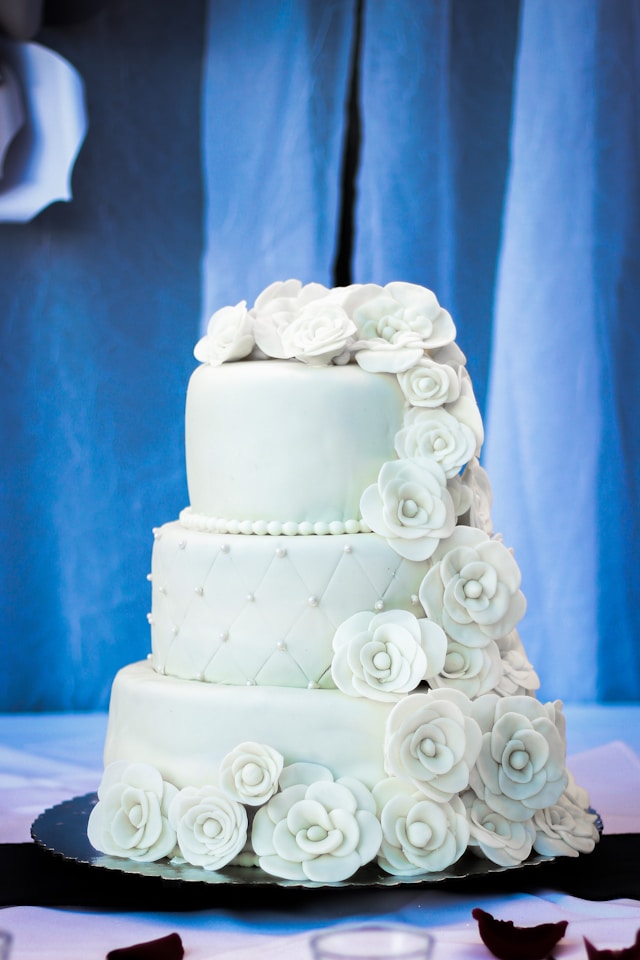
Planning a wedding involves hundreds of moving parts, but few decisions carry as much visual and emotional weight as the cake. It’s the centerpiece of your reception, the star of your photos, and—let’s be honest—the part many guests look forward to most.
Yet wedding cake planning is surprisingly easy to overlook until it’s almost too late. Bakers book up months in advance, custom designs require lead time, and flavors need to be tasted before they’re committed to. Get ahead of the process, and you’ll avoid the last-minute scramble that trips up so many couples.
This guide walks you through the eight most important wedding cake decisions to make before your big day—so you can walk into your baker consultation feeling confident, not overwhelmed.
1. How Early Should You Book Your Wedding Cake Baker?
Start here, because everything else depends on it. Most reputable wedding cake bakers book out three to six months in advance, and popular ones in major cities can fill their calendars even earlier—especially during peak wedding season (May through October in the US).
Before you fall in love with a baker’s portfolio online, confirm their availability for your date. Once you’ve locked in a name, schedule a tasting and consultation as soon as possible. Waiting too long means fewer options, rushed decisions, and potentially settling for a cake that doesn’t reflect your vision.
What to look for in a baker:
- A portfolio that includes cakes similar to your style
- Clear communication and responsiveness
- Experience with large-scale event cakes
- Transparent pricing and contracts
2. What Wedding Cake Style Suits Your Venue and Theme?
Your cake should feel like it belongs at your wedding—not like it wandered in from a different event. The style of your cake needs to complement your venue, your décor, and the overall atmosphere you’re creating.
A rustic barn wedding calls for something different than a black-tie ballroom reception. Couples planning an outdoor garden ceremony often gravitate toward floral designs, soft textures, and earthy tones, while modern, minimalist venues tend to pair well with sleek, fondant-covered cakes in bold geometric patterns.
Consider these popular style categories:
- Classic tiered: Timeless and elegant, works in almost any setting
- Rustic/naked cake: Exposed layers with minimal frosting, ideal for outdoor or boho themes
- Modern minimalist: Clean lines, monochromatic tones, subtle textures
- Floral fantasy: Fresh or sugar flowers, often matching the bridal bouquet
- Sculptural/statement: An artistic centerpiece that doubles as conversation
Bring inspiration images to your baker consultation. A shared visual reference saves time and reduces the chance of miscommunication.
3. How Many Tiers Does Your Wedding Cake Need?
The number of tiers affects both the look of the cake and how much it costs. More tiers generally mean more servings, more structural complexity, and a higher price tag.
As a rough guide, a three-tier cake typically serves 75 to 100 guests, while a four- or five-tier cake can accommodate 150 or more. Your baker will help calculate the right size based on your final guest count, but it helps to have an estimate ready before your first meeting.
One important note: many couples opt for a smaller display cake paired with a sheet cake served from the kitchen. This approach gives you the visual impact of a grand tiered cake without paying for a fully decorated cake large enough to feed 200 people.
4. Which Wedding Cake Flavors Should You Choose?
This is the fun part—and the part that’s easier to get wrong than you’d expect. Wedding cake flavors have evolved well beyond the standard vanilla and chocolate. Today’s options include lemon elderflower, salted caramel, red velvet, champagne chiffon, pistachio raspberry, and much more.
A few things to keep in mind:
Host a tasting: Never commit to a flavor without trying it first. Most bakers offer tasting sessions where you’ll sample various combinations of cake, filling, and frosting.
Think about your guests: Bold or unusual flavors might not appeal to everyone. A common approach is to offer two or three different flavors across tiers, so guests have options.
Consider the season: Lighter citrus flavors tend to feel right in summer, while richer, spiced cakes suit fall and winter weddings beautifully.
Pair flavors thoughtfully: The cake and filling should complement each other. A lemon sponge with blueberry compote and cream cheese frosting, for example, hits multiple flavor notes without competing.
5. What Type of Frosting and Finish Do You Want?
Frosting isn’t just about taste—it dramatically shapes the appearance of your cake. The two most common choices are buttercream and fondant, and each has distinct trade-offs.
Buttercream is made from butter, powdered sugar, and sometimes cream or egg whites. It has a soft, slightly textured finish that many couples prefer for its natural look and rich taste. Buttercream works well for rustic or romantic aesthetics. However, it can soften in warm or humid weather, which is something to flag with your baker if you’re having an outdoor summer wedding.
Fondant is a rolled sugar paste that creates an ultra-smooth, polished finish. It’s the go-to choice for intricate patterns, sharp edges, and painted details. Fondant is more structurally stable than buttercream in heat, but some guests find the taste too sweet or the texture off-putting.
Other options worth exploring include ganache (a glossy chocolate glaze), mirror glaze (for a dramatic, high-shine effect), and whipped cream (lighter and less sweet, but requires refrigeration).
6. How Should Your Wedding Cake Be Decorated?
Decoration is where personality comes in. From hand-painted watercolor designs to edible gold leaf, pressed botanicals, and cascading sugar flowers—the options are almost limitless.
Some of the most popular decoration styles right now include:
- Fresh flowers: Coordinate with your florist to ensure the flowers used are food-safe
- Sugar flowers: Handcrafted by your baker, these are incredibly lifelike and last longer than fresh blooms
- Monograms and toppers: A classic touch, though many modern couples skip the topper for a cleaner look
- Textured finishes: Ruffles, pleats, brushstrokes, and bas-relief patterns add visual depth without added color
- Metallic accents: Gold or silver leaf, painted tiers, or metallic drips for a glamorous effect
Keep decoration decisions aligned with your overall wedding palette. Your baker can also work with your florist and planner to ensure everything ties together cohesively.
7. What’s a Realistic Budget for a Wedding Cake?
Wedding cake costs vary widely based on size, complexity, and your location. In the United States, couples typically spend between $500 and $1,200 on a wedding cake, though elaborate custom designs from high-end bakers can run $2,000 or more.
Pricing is usually calculated per slice, with costs ranging from $5 to $15 per serving depending on the baker’s expertise and the intricacy of the design. A heavily decorated five-tier cake with hand-sculpted sugar flowers will cost significantly more than a simple two-tier buttercream.
Ways to manage wedding cake costs:
- Opt for a smaller display cake with supplementary sheet cakes
- Choose simpler decoration styles and let the flavor do the talking
- Reduce the number of tiers and increase other serving options like a dessert table
- Ask your baker about their off-peak pricing or weekday discounts
Be upfront with your baker about your budget from the start. A skilled baker will work with you to find a design that delivers impact within your range—rather than presenting options that are out of reach.
8. What Logistical Details Need to Be Confirmed Before the Wedding?
The final piece of the puzzle is logistics—and it matters more than most couples anticipate. A beautiful cake that arrives at the wrong time or melts in the heat is a problem no one wants to deal with on their wedding day.
Delivery and setup: Confirm whether your baker delivers and sets up the cake, and whether that service is included in the quoted price. Ask about their delivery window and who will be their point of contact on the day.
Storage at the venue: Check that your venue has appropriate space to store the cake before it’s displayed—particularly if it contains fresh flowers or perishable fillings. Outdoor venues in warm climates require extra attention.
Cutting fees: Many venues charge a cake-cutting fee, typically $1 to $3 per slice. Factor this into your overall catering budget.
Preserving the top tier: It’s a tradition for couples to freeze the top tier and enjoy it on their first anniversary. If this matters to you, ask your baker for guidance on proper wrapping and storage.
Backup plan: Discuss with your baker what happens if something goes wrong during transport. A reputable baker will have a contingency plan and the tools to make on-site repairs if needed.
Your Wedding Cake Shouldn’t Be an Afterthought
The best wedding cakes don’t happen by accident. They’re the result of early planning, clear communication, and a baker who understands your vision. By making these eight decisions ahead of time—before the stress of your final wedding month kicks in—you give yourself the breathing room to enjoy the process.
Start with your baker search, nail down your style and flavor preferences, and let the details follow. A little planning now means one less thing to worry about on the day itself—and a cake that genuinely reflects who you are as a couple.
Frequently Asked Questions
When should we book our wedding cake baker?
Book your wedding cake baker at least three to six months before your wedding date. If your wedding falls during peak season (May through October), or if you have your eye on a highly sought-after baker, aim to book six to twelve months in advance.
How much does a wedding cake cost on average?
In the United States, most couples spend between $500 and $1,200 on a wedding cake. Custom or highly decorated cakes from premium bakers can exceed $2,000. Pricing is typically calculated per serving, ranging from $5 to $15 per slice.
What’s the difference between buttercream and fondant for wedding cakes?
Buttercream has a softer, more natural finish and a richer taste, but can melt in heat. Fondant creates a smooth, polished look that holds up better in warm weather and allows for more intricate decorations, though some guests find it too sweet.
How many servings does a wedding cake need?
The number of servings depends on your guest count. A three-tier cake typically serves 75 to 100 guests. For larger weddings, many couples use a smaller display cake alongside sheet cakes served from the kitchen to reduce costs.
Can we have more than one flavor in a wedding cake?
Yes—and many couples do. Offering different flavors across tiers gives guests options and makes the experience more memorable. Confirm with your baker that different flavors won’t affect the structural integrity of the cake.
Do we need to tip our wedding cake baker?
Tipping is not required but is always appreciated. If your baker goes above and beyond—especially with delivery, custom designs, or last-minute changes—a tip of 10 to 20% of the total cake cost is a thoughtful gesture.


