


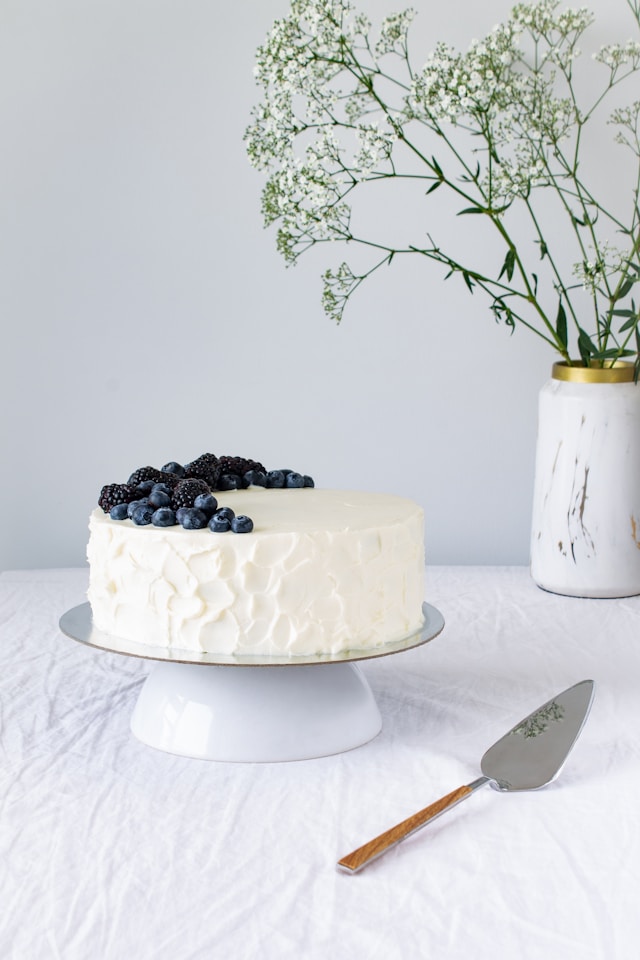
TL;DR: Couples today are ditching the traditional tiered wedding cake in favor of bold, personalized alternatives—from sculptural cheese towers to single-tier statement cakes. This post explores 10 creative wedding cake ideas that balance aesthetics, flavor, and personality, helping you find the perfect sweet centerpiece for your big day.
The tiered white wedding cake has reigned supreme for centuries. Queen Victoria popularized the multi-tier format in 1840, and for generations, couples followed suit without question. But wedding trends have shifted dramatically. According to a 2023 survey by The Knot, nearly 40% of couples now opt for non-traditional cake styles, prioritizing personal expression over convention.
The result? A flourishing world of edible art where sculpture meets flavor, and where no two wedding desserts need to look alike.
Whether you’re drawn to rustic textures, architectural showstoppers, or dessert tables that double as décor, there’s a creative cake concept to match every couple’s vision. This guide breaks down 10 of the most exciting alternatives to the traditional tiered cake—covering aesthetics, practical tips, and who each style suits best.
Why Are Couples Moving Away from Traditional Wedding Cakes?
The shift away from the classic tiered cake isn’t just a passing trend. Several factors are driving it.
First, couples are placing greater emphasis on personalization. A wedding cake now functions as a visual statement—a reflection of the couple’s personality, cultural background, or shared interests. Second, the rise of social media platforms like Instagram and Pinterest has exposed couples to a far broader range of cake designs, making the traditional white fondant tower feel, to some, a little predictable.
Third, dietary needs play a significant role. As gluten-free, vegan, and allergen-conscious diets become more common, couples are increasingly opting for dessert formats that can accommodate diverse guest needs more easily.
None of this means the classic cake is dead—far from it. But the definition of what a wedding cake can be has expanded considerably.
10 Creative Wedding Cake Ideas for Every Style and Budget
1. The Naked Cake: Rustic, Relaxed, and Beautiful
Naked cakes strip away the traditional fondant or buttercream coating to reveal the layers beneath—sponge, cream, and fresh fruit all on full display. The effect is relaxed and organic, making it a natural fit for barn weddings, garden ceremonies, and outdoor receptions.
Bakers typically finish naked cakes with seasonal fruits, edible flowers, and a light dusting of powdered sugar. The exposed layers also make it easy to showcase multiple flavors in a single cake, which guests tend to love.
Best for: Couples planning a rustic, bohemian, or garden wedding with a relaxed, natural aesthetic.
2. Geode Cakes: Rock Formations You Can Eat
Geode cakes are one of the most visually striking options available. Bakers sculpt a cavity into the cake’s exterior and fill it with edible rock candy crystals that mimic the interior of a gemstone. Amethyst purples, rose quartz pinks, and deep sapphire blues are among the most popular color choices.
The level of craftsmanship involved makes geode cakes a premium option—expect to pay more than you would for a standard tiered cake. But as a centerpiece, they’re genuinely hard to top.
Best for: Couples who want a showstopper centerpiece and don’t mind investing in elaborate, handcrafted design work.
3. Cheese Tower Cakes: A Savory Spin on Tradition
For couples who love cheese more than sponge, a cheese tower offers a spectacular alternative. Typically constructed from whole wheels of cheese stacked in descending size—think aged cheddar, brie, manchego, and gouda—these towers can be decorated with fresh grapes, figs, rosemary, and edible flowers to look every bit as elegant as a traditional cake.
Many couples serve a small cutting cake alongside the cheese tower for those who want something sweet. The cheese tower itself doubles as a post-ceremony grazing board, which dramatically reduces catering waste.
Best for: Couples who prefer savory flavors, or those looking for a creative dessert-plus-charcuterie hybrid.
4. Sculpted Novelty Cakes: When Your Cake Tells a Story
Sculpted cakes are exactly what they sound like—cakes shaped and decorated to represent something meaningful to the couple. A mountain range for avid hikers. A stack of books for literary couples. A replica of the venue itself. The possibilities are genuinely limitless.
Skilled cake sculptors use a combination of fondant, gum paste, and structural supports to create three-dimensional forms that are almost indistinguishable from the real thing. These cakes require significantly more lead time and expertise, so booking early—ideally 6 to 12 months in advance—is essential.
Best for: Couples with a specific passion, theme, or shared interest they want reflected in every element of their wedding.
5. Floral Cascade Cakes: Modern Elegance with a Botanical Twist
Fresh floral cakes have been a mainstay of wedding design for years, but the floral cascade—where blooms appear to spill down the side of the cake in an organic, flowing arrangement—brings a more contemporary edge to the concept.
When planning a floral cascade cake, it’s important to work with your baker and florist together. Not all flowers are food-safe, and any blooms that come into direct contact with the cake must be non-toxic and pesticide-free. Popular safe options include roses, lavender, chamomile, and pansies.
Best for: Couples planning a romantic, garden-inspired wedding who want a cake that bridges the gap between traditional and modern.
6. Single-Tier Statement Cakes: Small But Mighty
Bigger doesn’t always mean better. Single-tier cakes have surged in popularity among couples hosting intimate weddings or elopements, and it’s easy to see why. With only one tier to decorate, bakers can lavish extraordinary detail on a smaller canvas—hand-painted botanicals, intricate sugar lacework, or bold graphic patterns that would be difficult to execute across multiple tiers.
For larger guest counts, a single-tier cake can be paired with a sheet cake served from the kitchen, keeping the visual impact without sacrificing portions.
Best for: Intimate weddings, micro-weddings, and elopements, or couples who want maximum visual impact from a smaller cake.
7. Painted Cakes: Wearable Art, Edible Edition
Hand-painted wedding cakes blur the line between baking and fine art. Using food-safe paints and edible gold leaf, bakers can recreate watercolor landscapes, celestial night skies, abstract brushstrokes, or even replicas of meaningful artworks directly onto the cake’s surface.
The technique requires a highly skilled decorator and a longer production timeline, since painted surfaces need adequate drying time. Fondant provides the smoothest base for painting, though some artists work on ganache or very firm buttercream as well.
Best for: Couples with a love of art, design, or a specific aesthetic—such as celestial, vintage botanical, or Art Deco—that they want to carry into the dessert.
8. Dessert Tables: Abundance Over Convention
Rather than a single centerpiece cake, some couples opt to forgo the format entirely in favor of a styled dessert table. Think macarons, mini pavlovas, tarts, cake pops, brownies, and petit fours arranged on tiered stands and decorative platters, with a small cutting cake as the visual anchor.
Dessert tables work particularly well for dietary diversity—different treats can be clearly labeled to accommodate vegan, gluten-free, and nut-free guests without disrupting the overall aesthetic.
Best for: Couples who want to give guests a variety of flavors and formats, or those hosting weddings with complex dietary requirements among their guest list.
9. Drip Cakes: Bold, Colorful, and Full of Personality
The drip cake—characterized by a ganache or caramel glaze that cascades down the sides of the cake in deliberate, glossy drips—has become a go-to for couples who want something fun and contemporary. Topped with macarons, chocolates, fresh fruit, or even mini doughnuts, drip cakes lean into abundance and visual energy.
Color plays a major role. Black chocolate drips against a white base create a dramatic, high-contrast effect. Pastel-colored drips can feel whimsical and romantic. The style adapts easily to almost any wedding color palette.
Best for: Couples planning a modern, playful, or non-traditional wedding who want a cake that feels joyful and relaxed rather than formal.
10. Cultural and Heritage Cakes: Celebrating Where You Come From
Some of the most meaningful wedding cakes are those rooted in cultural tradition. A croquembouche—the French tower of cream puffs—is a stunning alternative to a layered cake. A Korean tteok cake, made from rice flour and decorated with traditional patterns, carries deep cultural significance. A Caribbean black cake, rich with dried fruit and rum, is a beloved centerpiece at many Caribbean weddings.
Incorporating a cultural dessert into your wedding is a powerful way to honor heritage while creating something genuinely unique. Many bakeries now specialize in multicultural wedding desserts, so finding a skilled baker with cultural expertise is more achievable than ever.
Best for: Couples who want to honor their cultural roots or create a wedding that reflects their heritage in a meaningful and delicious way.
How to Choose the Right Wedding Cake Style for Your Big Day
With so many options available, narrowing down your choice can feel overwhelming. Here are a few practical questions to guide your decision:
- What’s your venue aesthetic? A rustic naked cake suits a barn; a sculpted architectural cake might better complement a grand ballroom.
- How many guests are you serving? Single-tier cakes and dessert tables scale differently than multi-tier options—discuss quantities clearly with your baker.
- What’s your budget? Heavily sculpted, hand-painted, or geode cakes require significantly more labor and typically cost more per slice. Get quotes early.
- What dietary needs do your guests have? Dessert tables are the most flexible option for mixed dietary requirements.
- How far in advance can you book? Complex sculpted or painted cakes often require 9 to 12 months of lead time.
Your Wedding Cake Should Feel Like You
The most memorable wedding cakes from Bloomsbury Bakers share one common quality: they reflect the couple who chose them. Whether that means an edible geode in deep amethyst, a cheese tower surrounded by figs and honeycomb, or a simple single-tier cake covered in hand-painted wildflowers, the right choice is the one that makes both of you smile when you walk into the room.
Start the conversation with your baker at least 9 to 12 months before your wedding date, bring visual references, and don’t be afraid to ask for something completely original. The best bakers thrive on creative briefs—and your wedding cake should be just as unique as the day itself.
Frequently Asked Questions
What are the most popular alternatives to a traditional tiered wedding cake?
The most popular alternatives include naked cakes, single-tier statement cakes, cheese towers, dessert tables, and drip cakes. Geode cakes and hand-painted cakes are also increasingly common for couples seeking a visually distinctive centerpiece.
How much does a non-traditional wedding cake cost compared to a traditional one?
Pricing varies widely depending on complexity, ingredients, and the baker’s level of expertise. A simple naked cake may cost less than a traditional tiered cake, while sculpted, painted, or geode cakes typically cost more due to the labor involved. Always request itemized quotes from multiple bakers before committing.
How far in advance should I book a wedding cake baker?
For standard designs, booking 6 months in advance is generally sufficient. For complex sculpted, geode, or hand-painted cakes, booking 9 to 12 months ahead is strongly recommended to ensure availability and adequate production time.
Are fresh flowers on wedding cakes safe to eat?
Not all fresh flowers are food-safe. Flowers that come into direct contact with your cake must be non-toxic and free from pesticides. Always coordinate between your baker and florist to confirm that any florals used are safe. Common food-safe options include roses, lavender, chamomile, and pansies.
Can I have multiple cake styles at my wedding?
Absolutely. Many couples combine a decorative single-tier cutting cake with a dessert table or a cheese tower. This approach offers visual variety, accommodates diverse tastes, and can be more cost-effective than a large sculpted centerpiece cake alone.


